
Common Mistakes People Make with the Run/Walk Method
Are you making these?

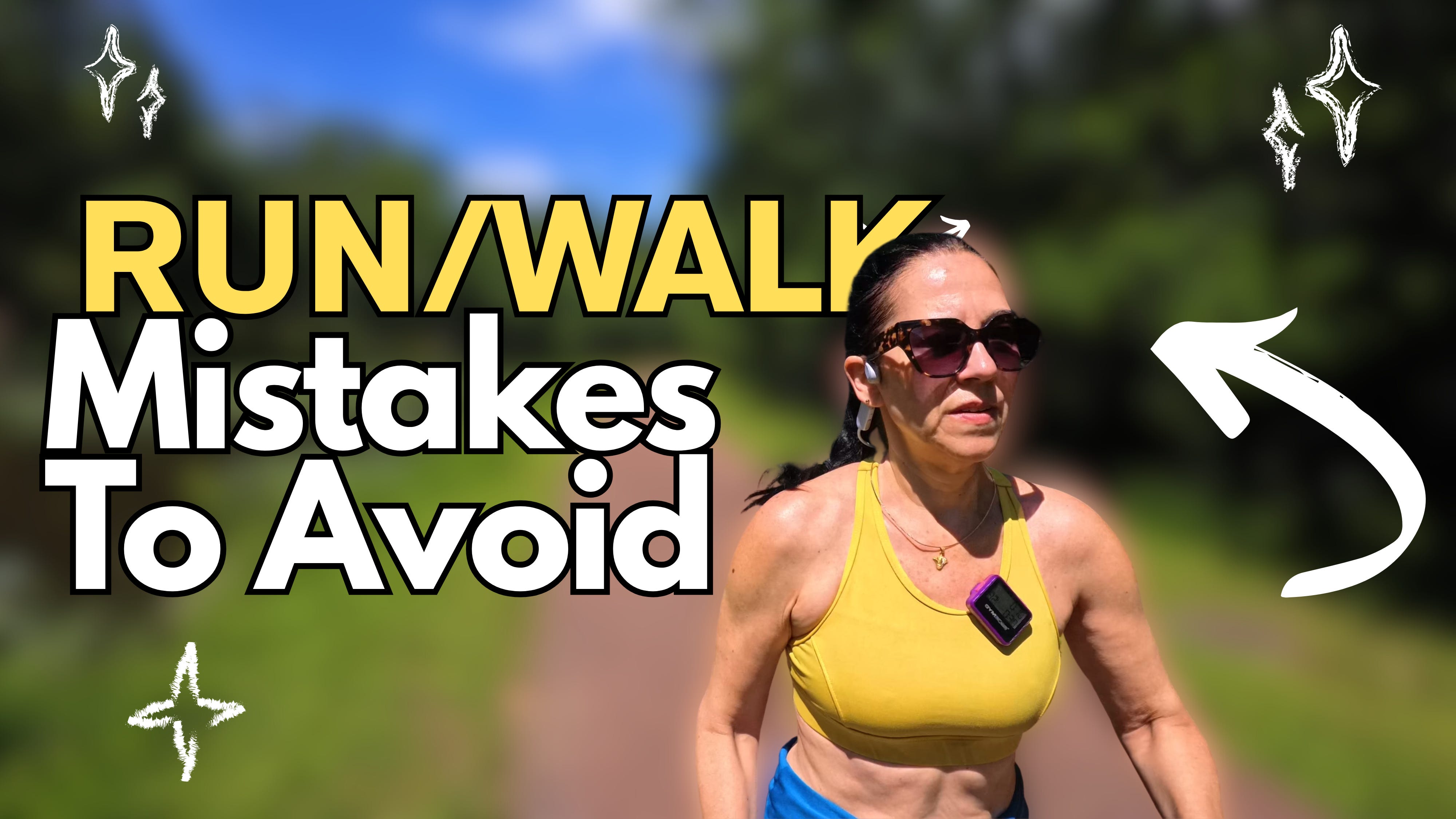
The run/walk method is one of the most powerful — and misunderstood — tools in a runner's arsenal. Whether you're training for your first 5K, a marathon, or even a 50-miler, run/walk can be the secret to running smarter, recovering faster, and staying injury-free. But there’s a catch: it only works if you do it right.
After years of experimenting with this strategy, training at a masters level, and using run/walk to PR in my 50s, I’ve seen firsthand the common pitfalls that can derail runners. So today, I’m breaking down the most frequent mistakes people make with the run/walk method — and how to fix them.
Mistake #1: Waiting Until You're Tired to Walk
This is the most common — and the most dangerous — mistake. Walk breaks are not meant to be taken only when you're exhausted. They're a proactive strategy, not a reactive one. If you wait until you’re fatigued, the walk break becomes a last-ditch recovery effort. Instead, plan your intervals (e.g., 3:30 run / 1:00 walk) from the very start. The key is prevention, not recovery.
Mistake #2: Picking Random Intervals
Without structure, run/walk turns into a guessing game. “I’ll walk when I feel like it” quickly becomes inconsistent and inefficient. Use tested intervals based on your pace and goals. Popular options include:
Beginners: 1:00 run / 1:00 walk
Intermediate: 2:30 / 0:30 or 3:00 / 1:00
Advanced: 4:00 / 0:30 or 5:00 / 1:00
Test what works for your body, but stay consistent.
Mistake #3: Sprinting the Run Segments
It’s tempting to run harder because you know a walk break is coming. But this spikes your heart rate and defeats the purpose of pacing. Keep your run segments steady — ideally just a little slower than your usual pace. Over time, this helps you conserve energy and perform better overall.
Mistake #4: Slowing Too Much During the Walk
Walks should be brisk and efficient — not a chance to stop or shuffle. Keep your form strong and your stride confident. This keeps your heart rate in the right zone and ensures your momentum doesn’t drop off completely.
Mistake #5: Not Practicing in Training
Race day is not the time to experiment. You need to practice your run/walk rhythm, transitions, and pacing during training. Incorporate it into long runs and even workouts so it becomes second nature.
Mistake #6: Assuming It’s Only for Beginners
Run/walk isn’t a downgrade — it’s a performance enhancer. Elite ultrarunners use it. I used it to run a marathon PR at age 50. It helps prevent injury, sustain effort, and improve recovery. It’s not about ability; it’s about strategy.
Mistake #7: Ignoring Terrain and Weather
On hilly courses or in hot conditions, rigid intervals may not be ideal. Adjust your strategy based on the environment. Take walk breaks on climbs or in exposed sections. Be flexible but stay intentional.
Mistake #8: Misaligning Walk Breaks During Races
Timing matters. If you don’t control your walk breaks, the race might do it for you — at water stops or bottlenecks. Use a timer (like a GymBoss or watch alerts) to stay consistent with your plan.
Mistake #9: Caring What Others Think
Running is personal. People may pass you while you’re walking — and you might pass them later when they’re burnt out. Run your own race. Walk with confidence.
Mistake #10: Giving Up Too Soon
The run/walk method feels awkward at first, especially if you’re used to continuous running. Give it 3-4 weeks. Evaluate how your body feels, how your times change, and how much better you recover.
My Experience: Run/Walk at 50
When I began using run/walk after an injury, I was skeptical. But within a few months, I not only got back to running — I got faster. My marathon PR came after I started using a 4:0 run / 1:00 walk ratio. It's not about doing less — it's about doing what works.
Want More? Join Me on Substack
If you enjoyed this post and want more in-depth insights, stories from the road, and practical strategies for thriving as a runner over 50, join me on Substack. It’s called I RUN THINGS, and it's where I share weekly updates, behind-the-scenes training details, and personal reflections that I don’t always share on YouTube.
https://irunthings.substack.com
Whether you’re curious about run/walk, just starting your journey, or training for a PR in your 50s — this community is for you.
Run fearless,
Suzie Q
Check the corresponding video here:
This is great info! After years of using this method, I’ve found :90/:30 intervals are my sweet spot! I’m almost 58 and only run/walk.